DISCLOSURE
Fully documented
Formats with complete, public specifications and tools to check them are easier to keep. Open standards are usually better documented than proprietary ones.
Check a format doodlefiles
FILES THAT KEEP
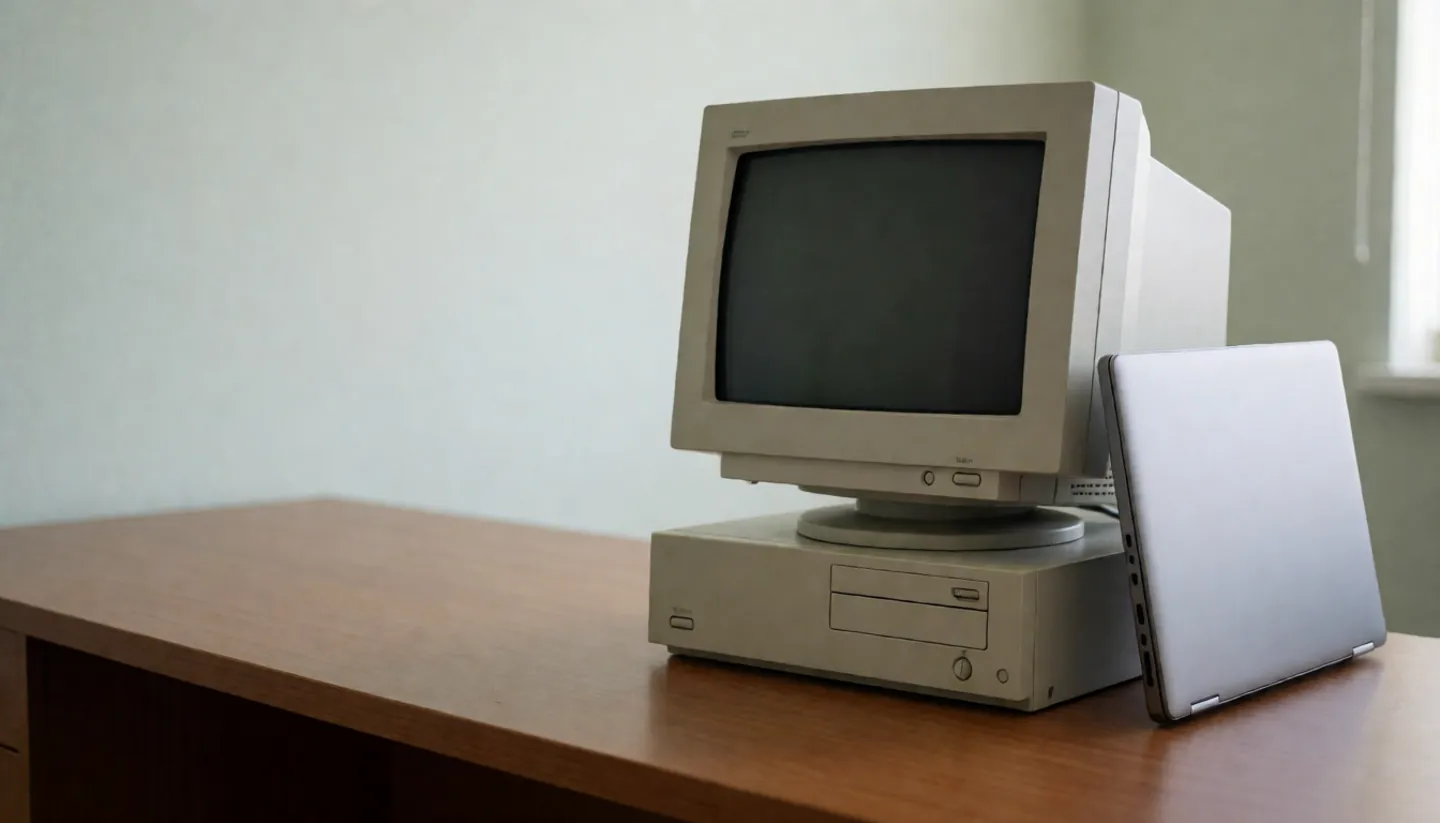
A file is only useful while something can read it.
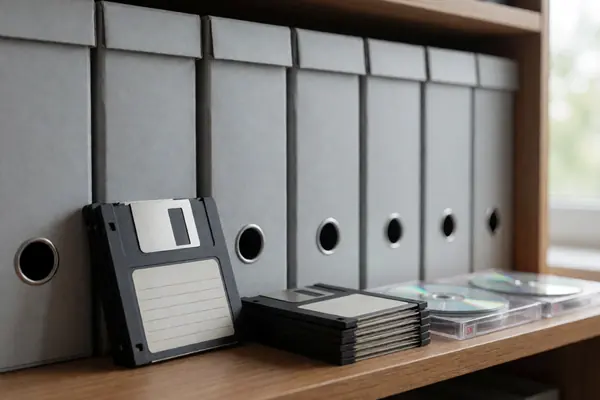
File formats encode information so that only certain combinations of hardware and software can make sense of it. Archives that must keep files for generations judge formats by how open, widely used and simple they are. The same thinking works for your own documents and photos.
OPEN documented, unlocked
Check a formatTHE SHORT ANSWER
The Library of Congress weighs seven sustainability factors.
Three of them matter most for everyday files.
DISCLOSURE
Formats with complete, public specifications and tools to check them are easier to keep. Open standards are usually better documented than proprietary ones.
Check a formatADOPTION
If a format is used by many people and programs, it is less likely to become obsolete rapidly, and conversion tools are more likely to appear.
See the numbersNO LOCKS
The Library of Congress says files it collects must contain no DRM or encryption that controls access, because archivists must be able to copy and convert them.
Four habits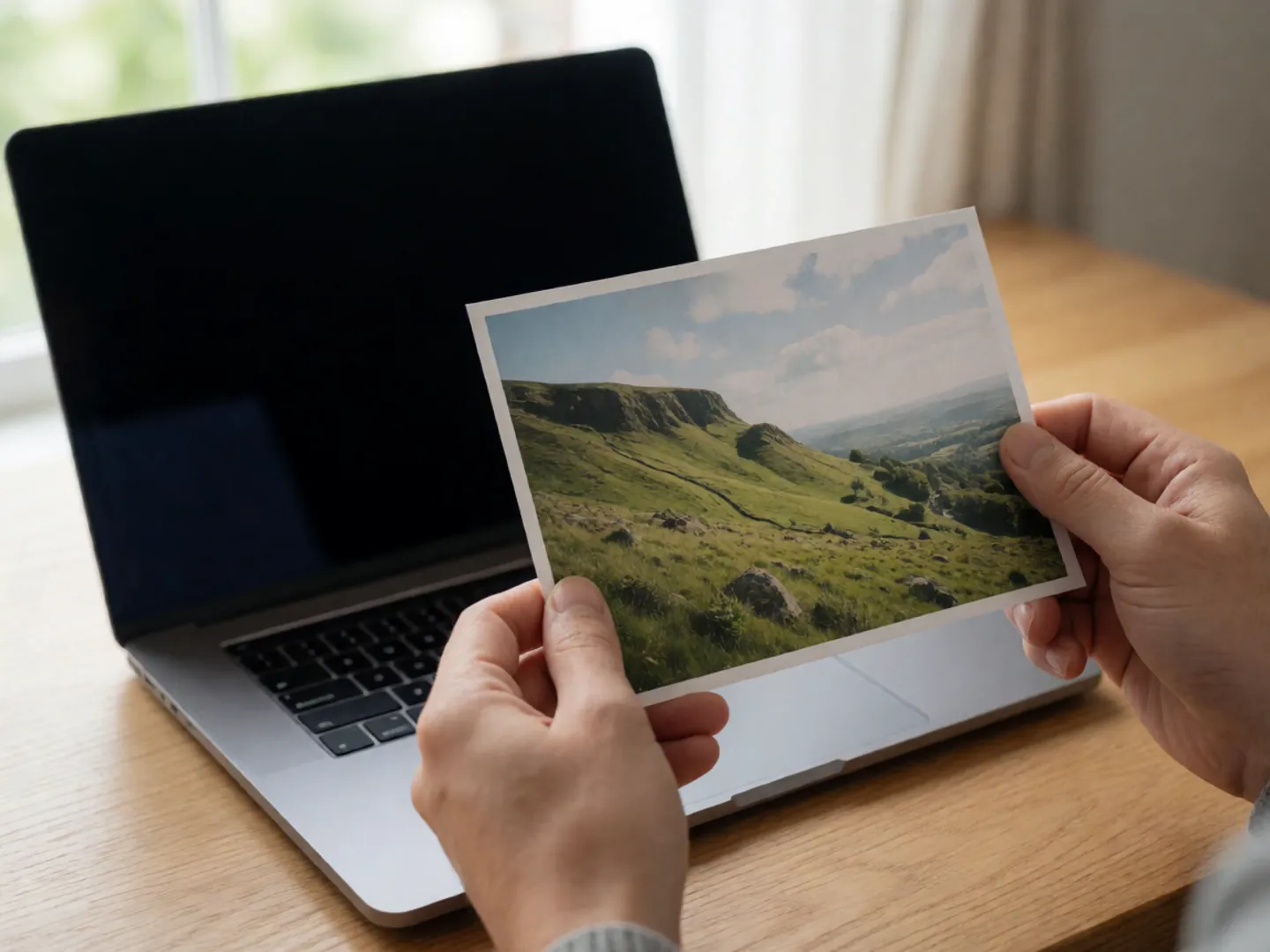
FOUR HABITS FOR HOME
You do not need archive software. These habits follow the same principles the archives use.
Save important documents in a widely used, documented format such as PDF/A or plain text alongside the original.
Archives prefer the highest resolution available, not rescaled, with little or no lossy compression.
Where you can, keep a version without DRM or encryption that stops copying, so it can be moved and converted later.
The Digital Preservation Coalition warns that proliferation can be a bigger challenge than obsolescence. Settle on a few formats.
TWO NUMBERS WORTH KNOWING
One figure on how archives judge formats,
one on how many formats exist.
7 factors
Sustainability factors for every digital format
Disclosure, adoption, transparency, self-documentation, external dependencies, impact of patents and technical protection mechanisms.
FACTORS · LIBRARY OF CONGRESS
1,300+
File format entries in the PRONOM registry
The UK National Archives began PRONOM in March 2002 to record technical facts about file formats. It has grown to over 1,300 individual file format entries.
FORMATS · THE NATIONAL ARCHIVES
The Digital Preservation Coalition says obsolescence may be less severe than feared some 10 years ago: many established formats are still supported. Having too many different formats can be the bigger problem.
A QUICK FORMAT CHECK
Pick a kind of file to see how it fares against the sustainability factors archives use. The bar shows how well it fits.
Based on the Library of Congress Sustainability Factors and Recommended Formats Statement 2025-2026. General information, not a guarantee for any file.
WHY FILES GO DARK
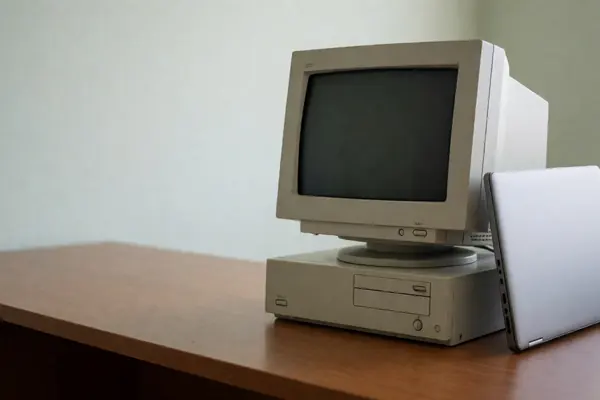
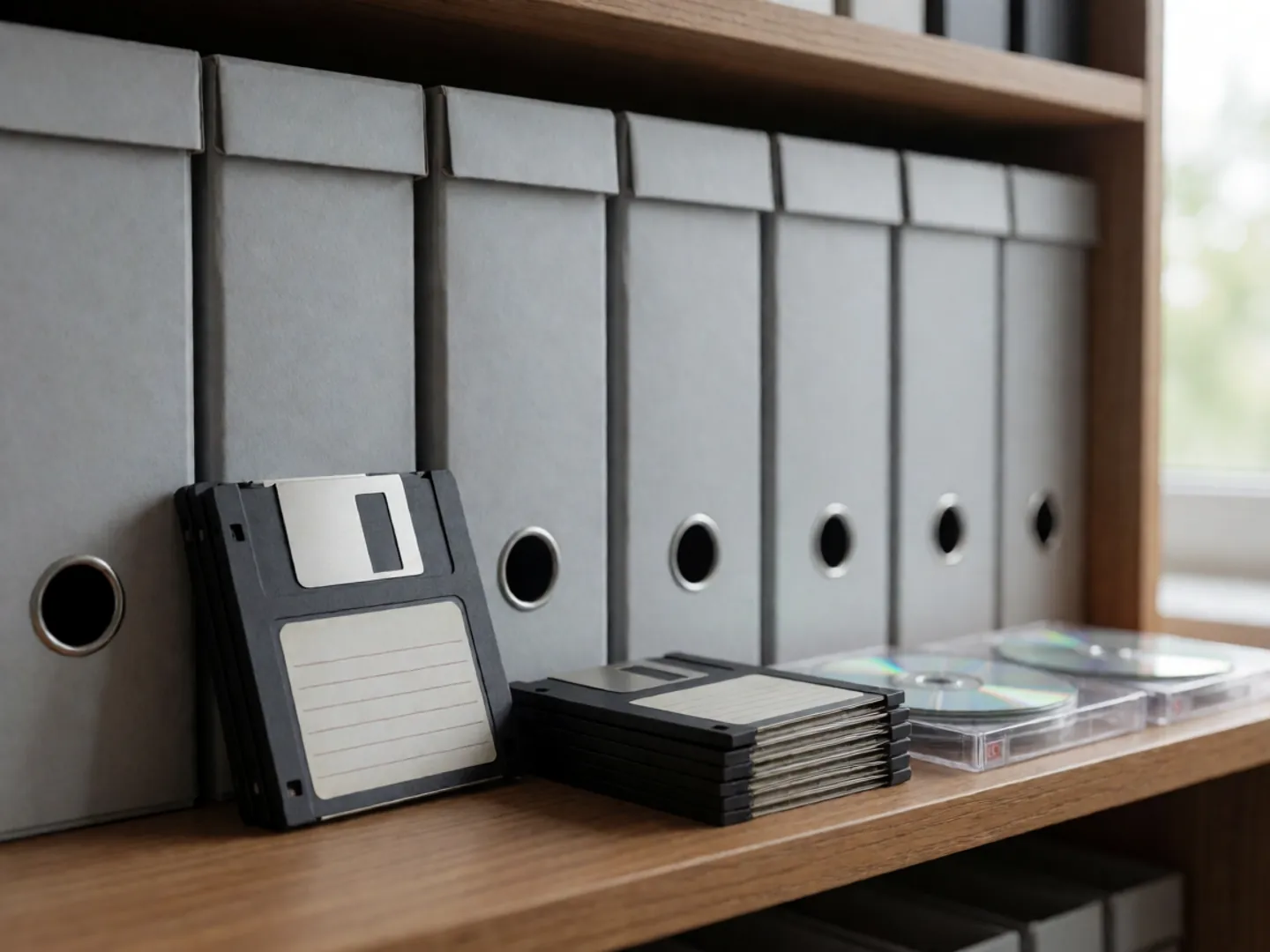
The National Archives notes that electronic records are not inherently human-readable: formats need very specific combinations of hardware and software to be rendered. When newer software stops supporting an older format, the data can become unusable.
Archives respond by migrating files to newer formats, emulating old software, or choosing robust formats in the first place. Tools such as DROID, The National Archives' free identification tool, can tell you which formats are in a collection.
Questions
There is no single answer, but the Library of Congress lists PDF/A (ISO 19005) and PDF/UA among its page-layout formats for textual works, alongside structured formats such as XML-based documents, and plain text.
JPEG is among the formats the Library of Congress lists for digital photographs, along with TIFF, JPEG2000 and PNG. It prefers the highest resolution available and lossless or lower compression.
Not always. The Digital Preservation Coalition says the choice is not that simple: proprietary formats such as TIFF are seen as robust, while open formats can also lose support.
It is when newer software stops supporting an older format, so the data can become unusable. The Digital Preservation Coalition says it can be accidental, for example when a company or project fails.
The National Archives offers DROID, a free tool that identifies file formats automatically using its PRONOM registry of over 1,300 formats.
Updated
ABOUT THIS NAME
doodlefiles.com is part of the DoodleSale portfolio. It isn't in an auction right now, but you can ask about leasing it.